


Ramayan: An Epic Tale of Virtue, Devotion, and Dharma. The Ramayan is one of the two major Sanskrit epics of ancient Indian literature, the other being the Mahabharata. It is a timeless narrative that has deeply influenced the culture, religion, and values of the Indian subcontinent and beyond. The epic, attributed to the sage Valmiki, tells the story of Lord Rama, his wife Sita, and his loyal brother Lakshmana. It explores the ideals of dharma (righteousness), devotion, and the triumph of good over evil.
Ramayan: An Epic Tale of Virtue, Devotion, and Dharma
Origins and Composition of the Ramayan
The Ramayan is traditionally ascribed to the sage Valmiki, who is also regarded as the Adi Kavi or the first poet of Sanskrit literature. It is believed to have been composed around the 5th to 4th centuries BCE, though its stories and characters likely have even more ancient roots in oral traditions.
The Ramayan consists of approximately 24,000 verses, divided into seven books or Kandas:
1. Bala Kanda (The Book of Childhood): This section narrates the birth of Lord Rama, his early life, and his marriage to Sita.
2. Ayodhya Kanda (The Book of Ayodhya): This part tells the story of Rama’s exile from his kingdom, Ayodhya, due to the demands of his stepmother, Kaikeyi.
3. Aranya Kanda (The Book of the Forest): During their exile, Rama, Sita, and Lakshmana encounter various sages and demons in the forests.
4. Kishkindha Kanda (The Book of Kishkindha): This section describes Rama’s alliance with the monkey king Sugriva and his search for Sita, who has been abducted by the demon king Ravana.
5. Sundara Kanda (The Book of Beauty): Sundara Kanda focuses on Hanuman’s journey to Lanka to find Sita and deliver Rama’s message to her.
6. Yuddha Kanda (The Book of War): Also known as the Lanka Kanda, this book details the great battle between Rama’s forces and Ravana’s army, culminating in the defeat of Ravana.
7. Uttara Kanda (The Book of the Aftermath): The final book narrates the events after Rama’s return to Ayodhya, including the questioning of Sita’s purity and her eventual departure to the forest.

Key Themes and Characters
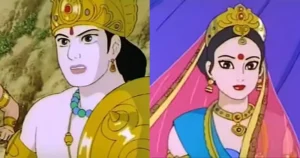
1. Lord Rama: Rama, the protagonist, is the seventh avatar of Vishnu. He embodies the ideal of dharma, always adhering to righteousness and moral principles, even in the face of great personal sacrifice. His journey is one of trials and tribulations, but he remains steadfast in his duties as a son, husband, and king.
2. Sita: Sita, Rama’s wife, is the epitome of purity, devotion, and strength. Her unwavering love and loyalty to Rama, despite enduring great hardships, make her one of the most revered figures in Indian literature.
3. Lakshmana: Rama’s younger brother, Lakshmana, is the symbol of brotherly devotion. He accompanies Rama and Sita into exile, protecting and supporting them throughout their journey.
4. Hanuman: The monkey god Hanuman is one of the most beloved characters in the Ramayan. His devotion to Rama is unparalleled, and his feats of strength, intelligence, and bravery play a crucial role in the battle against Ravana.
5. Ravana: The antagonist of the epic, Ravana, is the king of Lanka and a powerful demon with ten heads. Despite his immense power and knowledge, his arrogance and lust lead to his downfall.
6. Bharata: Rama’s brother, Bharata, though a central figure in the Ayodhya Kanda, is often remembered for his devotion to Rama and his rejection of the throne in favor of his exiled brother.

The Ramayan’s Moral and Philosophical Lessons
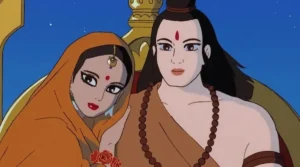
The Ramayan is more than just a story; it is a moral and philosophical guide for life. Its teachings on dharma, duty, and righteousness have had a profound impact on the moral fabric of society.
1. The Concept of Dharma: At its core, the Ramayan is a treatise on dharma. Rama’s adherence to dharma, even when it means giving up his kingdom or sending his beloved wife into exile, illustrates the importance of duty and righteousness over personal desire.
2. The Power of Devotion: The devotion of characters like Hanuman, Sita, and Lakshmana highlights the power of love and loyalty. Hanuman’s unwavering dedication to Rama and Sita exemplifies the ideal of selfless service to a higher cause.
3. The Triumph of Good Over Evil: The battle between Rama and Ravana is symbolic of the eternal struggle between good and evil. The ultimate victory of Rama serves as a reminder that righteousness will always prevail, no matter how powerful the forces of evil may seem.
4. The Role of Women: The Ramayan portrays women as strong, virtuous, and influential. Sita’s strength in adversity, Kaikeyi’s role in the exile of Rama, and the wisdom of characters like Mandodari (Ravana’s wife) all underscore the significant roles women play in the narrative.

Cultural Impact and Legacy
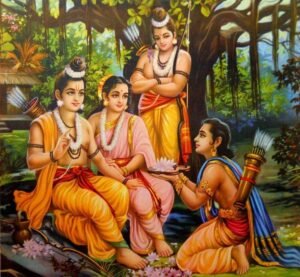
The Ramayan has had an immense impact on the cultural, religious, and social fabric of India and Southeast Asia. It has been adapted into countless versions across different languages, cultures, and mediums, including dance, drama, art, and cinema.
1. Influence on Literature and Arts: The Ramayan has inspired a vast body of literature, from classical Sanskrit works to modern adaptations in regional languages. Its stories have also been depicted in various art forms, including temple carvings, paintings, and folk performances like Ramlila.
2. Festivals and Celebrations: The Ramayan is central to several Hindu festivals, most notably Diwali, which celebrates Rama’s return to Ayodhya after his victory over Ravana. The festival of Dussehra commemorates the defeat of Ravana, symbolizing the victory of good over evil.
3. Spread Beyond India: The Ramayan’s influence extends beyond India. In Southeast Asia, particularly in countries like Thailand, Indonesia, and Cambodia, the Ramayan has been adapted into local versions that integrate indigenous cultural elements. The epic is known as “Ramakien” in Thailand and “Kakawin Ramayana” in Indonesia.
The Ramayan is not just an epic tale; it is a living tradition that continues to guide and inspire millions. Its teachings on dharma, devotion, and the eternal battle between good and evil are timeless, resonating with readers and audiences across cultures and generations. The characters of Rama, Sita, Hanuman, and Ravana serve as archetypes, embodying the virtues and vices that define the human experience. In an ever-changing world, the Ramayan remains a beacon of moral and spiritual guidance, offering profound insights into the nature of duty, righteousness, and the human soul.
See more:


