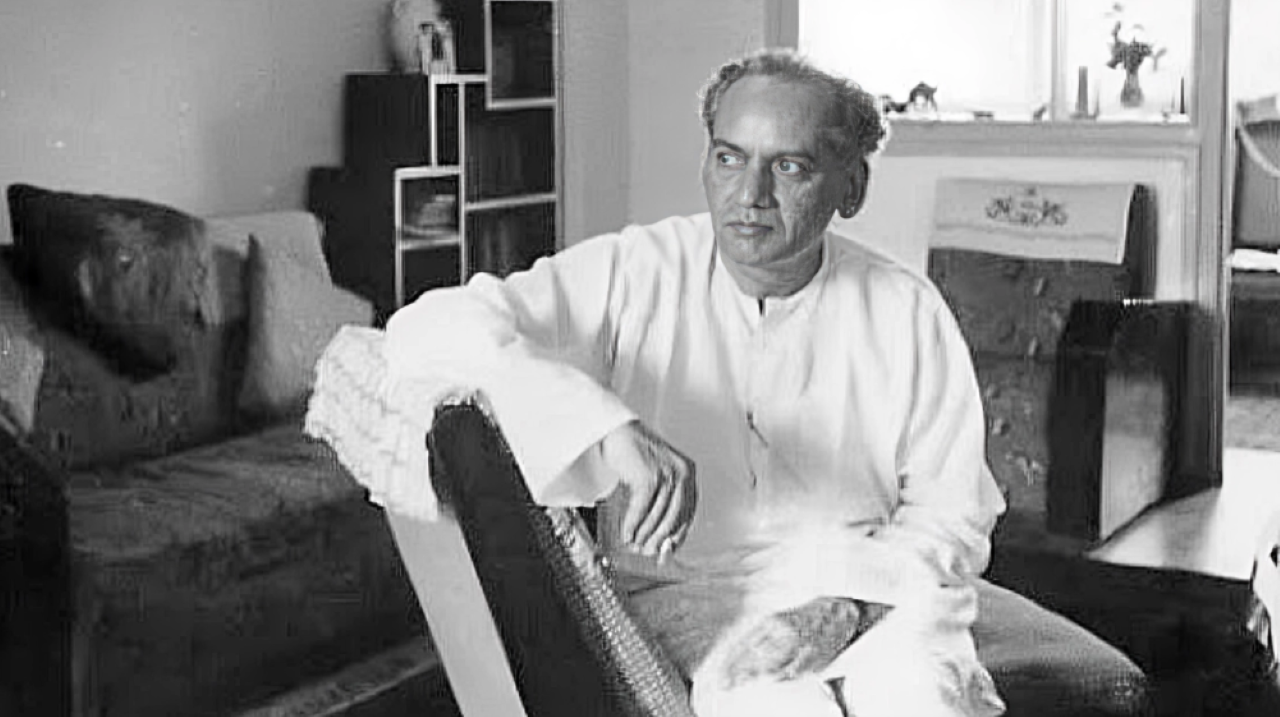
“Phir Koi Aaya Dil-e-Zar” by Faiz Ahmad Faiz unfolds as a delicate moment where the past re-enters the wounded heart without warning. The poem evokes how love, once lost, never truly departs; it revisits the soul softly, carrying both tenderness and pain, reminding the speaker that remembrance itself can be an act of suffering.
Faiz’s language is restrained yet deeply musical, allowing silence, memory, and emotion to coexist. What appears to be a personal lament gradually expands into a universal experience—where the heart, despite being broken and weary, remains open to feeling. The poem ultimately reflects Faiz’s enduring belief that even sorrow has a quiet beauty, and that love, though wounded, continues to breathe within the human spirit.
Phir Koi Aaya Dil-e-Zar
phir koī aayā dil-e-zār
nahīñ koī nahīñ
rāh-rau hogā
kahīñ aur chalā jā.egā
Dhal chukī raat
bikharne lagā tāroñ kā ġhubār
Larkharaanay lagay
aivaanon mein khaabeeda chiraagh
so ga.ī rāsta tak tak ke
har ik rāhguzār
ajnabī ḳhaak ne dhundlā diye
qadmoñ ke surāġh
gul karo sham.eñ
baḌhā do mai-o-miinā-o-ayāġh
apne be-ḳhvāb kivāḌoñ ko
muqaffal kar lo
ab yahāñ koī nahīñ
koī nahīñ aa.egā
پھر کوئی آیا دل زار نہیں کوئی نہیں
راہرو ہوگا کہیں اور چلا جائے گا
ڈھل چکی رات بکھرنے لگا تاروں کا غبار
لڑکھڑانے لگے ایوانوں میں خوابیدہ چراغ
سو گئی راستہ تک تک کے ہر اک راہ گزار
اجنبی خاک نے دھندلا دیئے قدموں کے سراغ
گل کرو شمعیں بڑھا دو مے و مینا و ایاغ
اپنے بے خواب کواڑوں کو مقفل کر لو
اب یہاں کوئی نہیں کوئی نہیں آئے گا
word-by-word / phrase-by-phrase meaning
phir koī aayā dil-e-zār nahīñ koī nahīñ
-
phir — again
-
koī — someone / anyone
-
aayā — came
-
dil-e-zār — the wounded heart, sorrowful heart
-
dil — heart
-
-e- — “of” (Persian izafat)
-
zār — afflicted, miserable, wounded
-
-
nahīñ — not / no
-
koī nahīñ — no one at all
Sense:
Again the heart thought someone had come—no, there is no one.
rāh-rau hogā kahīñ aur chalā jā.egā
-
rāh-rau — a passerby, traveler
-
rāh — path, road
-
rau — walker, mover
-
-
hogā — must be / probably is
-
kahīñ aur — somewhere else
-
chalā jā.egā — will go away, will move on
Sense:
It must be some passerby, heading somewhere else, who will go on.
Dhal chukī raat bikharne lagā tāroñ kā ġhubār
-
Dhal chukī — has already declined / faded
-
raat — night
-
bikharne lagā — began to scatter
-
tāroñ — of stars
-
ġhubār — dust, haze, fine powder
Sense:
The night has waned; the dusty haze of stars has begun to scatter.
laḌkhaḌāne lage aivānoñ meñ ḳhvābīda charāġh
-
laḌkhaḌāne lage — began to flicker / stagger
-
aivānoñ — halls, palaces, lofty chambers
-
meñ — in
-
ḳhvābīda — asleep, dormant
-
charāġh — lamps
Sense:
In the palaces, the sleeping lamps began to flicker.
so ga.ī rāsta tak tak ke har ik rāhguzār
-
so ga.ī — fell asleep
-
rāsta tak tak ke — after watching the road again and again
-
har ik — every single
-
rāhguzār — pathway, thoroughfare
Sense:
Every pathway, tired of watching the road, has fallen asleep.
ajnabī ḳhaak ne dhundlā diye qadmoñ ke surāġh
-
ajnabī — strange, unfamiliar
-
ḳhaak — dust
-
ne — (ergative marker: “by”)
-
dhundlā diye — blurred, obscured
-
qadmoñ — footsteps
-
ke — of
-
surāġh — traces, signs
Sense:
Strange dust has blurred the traces of footsteps.
gul karo sham.eñ baḌhā do mai o miinā o ayāġh
-
gul karo — extinguish, put out
-
sham.eñ — candles, lamps
-
baḌhā do — increase, bring more
-
mai — wine
-
o — and
-
miinā — wine-jug, decanter
-
ayāġh — goblet, wine cup
Sense:
Put out the lamps; bring more wine, more jugs and cups.
apne be-ḳhvāb kivāḌoñ ko muqaffal kar lo
-
apne — your own
-
be-ḳhvāb — sleepless, dreamless
-
be- — without
-
ḳhvāb — sleep, dream
-
-
kivāḌoñ — doors, shutters
-
ko — (object marker)
-
muqaffal — locked, bolted
-
kar lo — do it, make it so
Sense:
Lock your sleepless doors.
ab yahāñ koī nahīñ koī nahīñ aa.egā
-
ab — now
-
yahāñ — here
-
koī nahīñ — no one
-
koī nahīñ aa.egā — no one will come
Sense:
Now there is no one here—no one will come.